
Palazzina di Caccia di Stupinigi
- palace
- Price: €12 - €14
- Opening hours: Tue-Sun 10:00 - 17:30; closed Mon
History
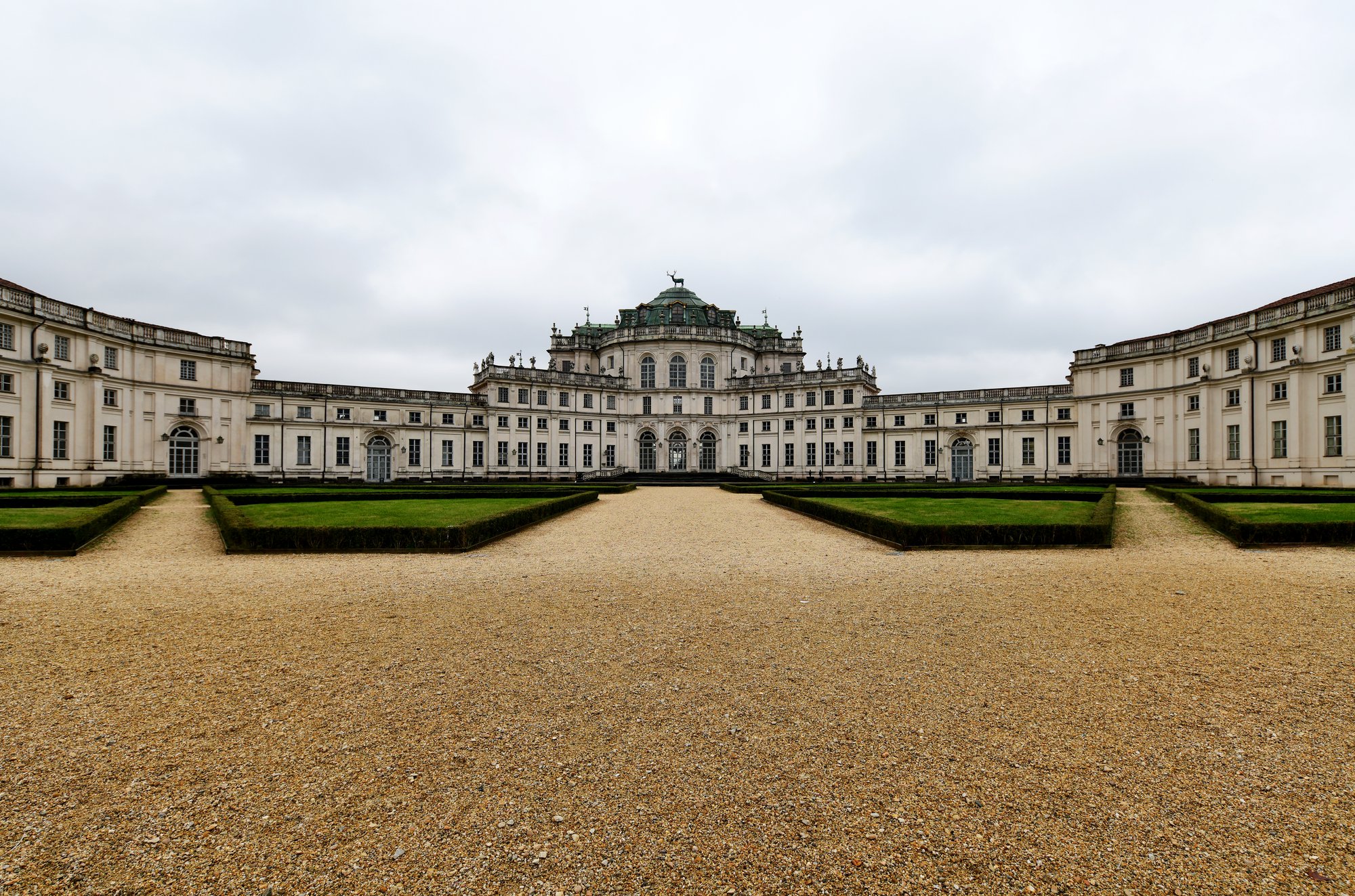
When King Vittorio Amedeo II commissioned Filippo Juvarra in 1729 to design a new hunting lodge outside the city, he got something far stranger and more ambitious than a country retreat. Juvarra laid the building out as a star, with four long wings radiating from a soaring oval central hall, and topped the hall's dome with a bronze stag so it could be seen for miles across the flat countryside southwest of Turin. Beyond the walls, avenues were cut through the surrounding forest in a matching fan pattern, so that game could be driven inward from every direction toward the waiting court.
The interiors were finished in a lighter, more playful Rococo style than anything else the Savoy built, with hunting-themed frescoes and decoration by leading Piedmontese and Venetian artists of the day. The lodge's later history is just as striking: Napoleon stayed here in 1805 during his reorganization of Piedmont, and in 1946, in the final weeks before the monarchy's abolition, the last king of Italy, Umberto II, signed the closing documents of his brief reign within these same rooms. Together with the other Savoy residences around Turin, Stupinigi is now inscribed on the UNESCO World Heritage list.
Did you know?
The stag crowning the dome isn't just decorative — it's the building's emblem, cast in bronze, copper and gilding in 1766 by Turin sculptor Francesco Ladatte. For safety reasons the weather-worn original was taken down in 1992 and replaced with a modern copy; the Ladatte stag itself now stands inside the palazzina, close enough to study in a way that was never possible when it sat 30 metres up on the dome.
The fan of avenues radiating from the building wasn't just landscaping — it was hunting infrastructure. Beaters and hounds would drive deer and other game along those long, straight sightlines toward the lodge, giving the court a clear shot as the animals converged near the centre. Today those same avenues form a public park threaded with footpaths and cycling routes, used for a completely different kind of outing.
Good to know
Stupinigi sits well outside central Turin, about 10 kilometres southwest of the city, so it's best treated as a half-day trip rather than a quick stop — allow time for the drive or bus ride out and back on top of the visit itself. The palazzina is closed on Mondays.
A single ticket typically covers both the lodge's furnished state rooms and its museum of period furniture and applied arts, so budget more time indoors than the building's compact footprint might suggest. If the weather cooperates, pair the visit with a walk or cycle along the old hunting avenues in the surrounding park.